Cushion foam (EPS)
How is molded foam better?
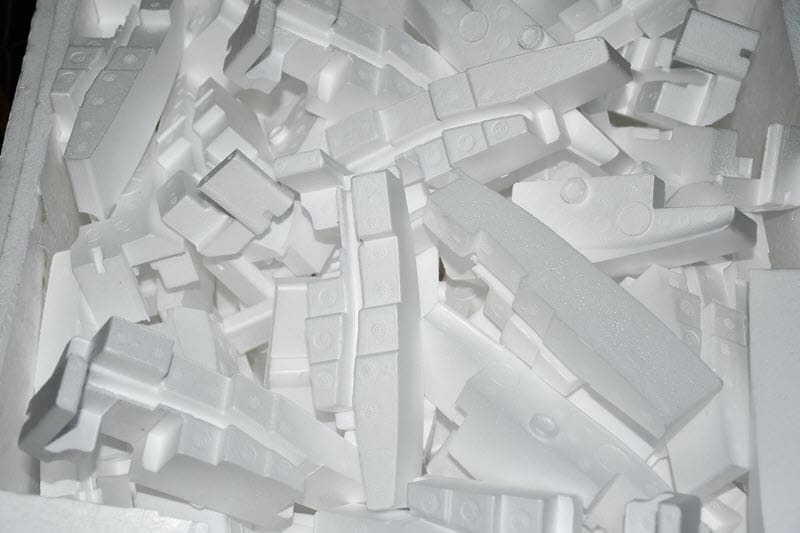
Due to the problems of goods being damaged during transportation and the high shipping costs calculated by weight, especially air freight, molded foam or cushion foam is a good option to help solve these problems.
EPS molded foam: An innovation for superior protection and performance in the industry.
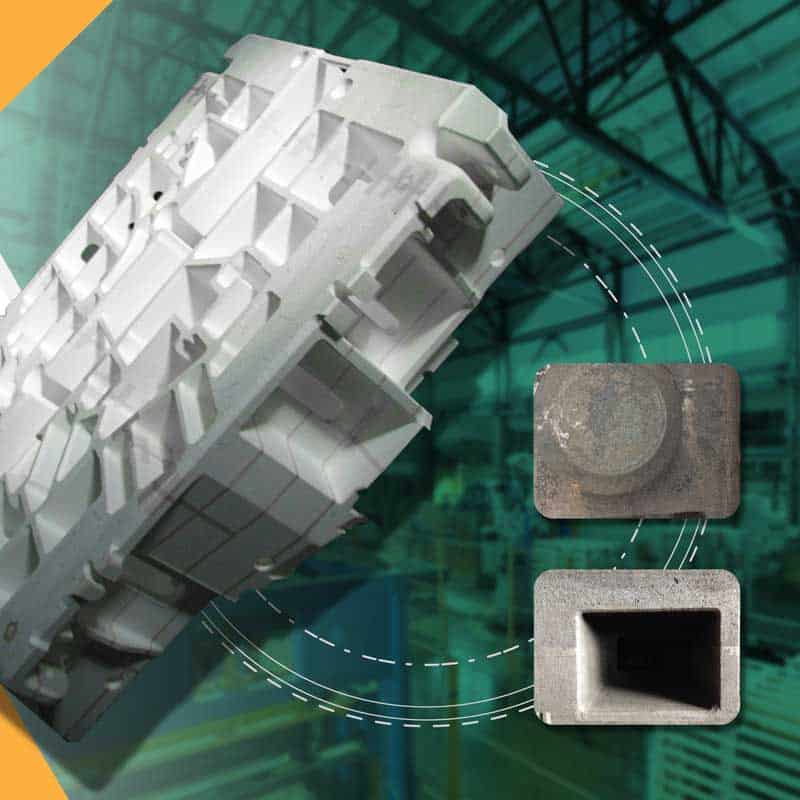
"Molded foam" primarily refers to EPS (Expanded Polystyrene Foam), a versatile material produced by expanding polystyrene (PS) plastic beads with pentane gas and steam through a molding process. This process results in a product consisting of approximately 98% air and only 2% plastic. This unique cellular structure is the foundation of EPS foam's outstanding properties, and the inherent resilience of the plastic allows the material to deform and return to its original shape, effectively absorbing kinetic energy from impacts.
Key features of molded cushion foam.
- Lightweight: The high air content makes EPS foam remarkably lightweight, significantly reducing transportation costs and simplifying handling in industrial environments.
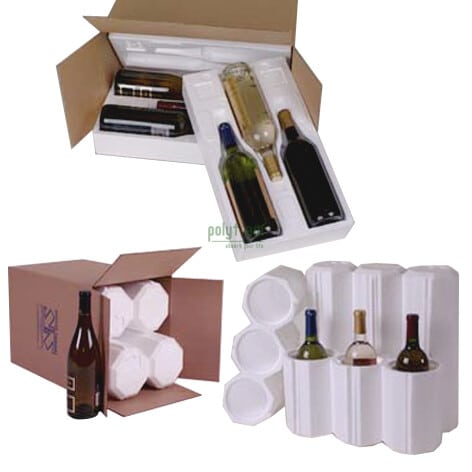
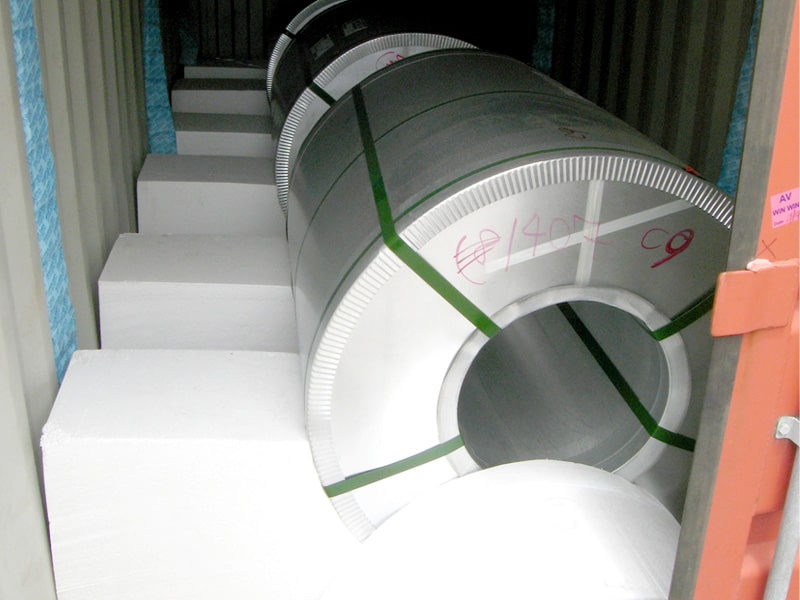
- Excellent product protection and shock absorption: The flexible, closed-cell structure allows the foam to effectively absorb shocks and vibrations, preventing damage and scratches and helping to keep goods securely in place during transportation.
- Excellent thermal insulation: The air trapped within the foam acts as a highly effective insulator, helping to control internal temperature, making it suitable for applications requiring temperature stability.
- Corrosion resistance: EPS foam offers better water corrosion resistance than some metal parts, which is an advantage over traditional materials.
- Cleanliness and hygiene: The smooth, non-absorbent surface prevents the growth of bacteria, dust, or mold, ensuring product integrity and ease of cleaning.
- Safety in use: The absence of nails or splinters (which are commonly found in wooden pallets) enhances safety for both the goods and the workers.
- High load-bearing capacity: Despite their lightweight nature, polypallets can support goods weighing over 2,000 kilograms, demonstrating their remarkable structural strength.
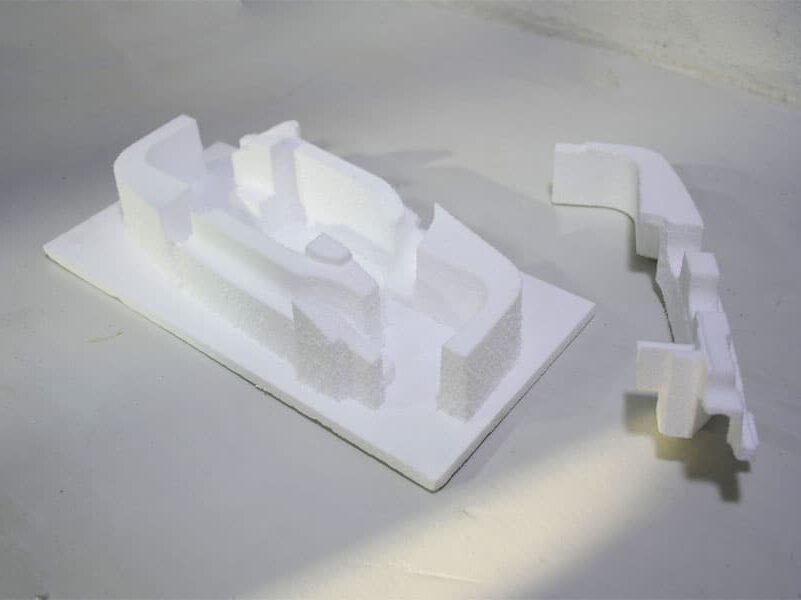
- Customization and flexibility: The molding process allows for the creation of precise shapes and complex designs, including the inclusion of logos or branding, offering high adaptability to diverse product requirements.
Applications of molded EPS foam in industry.
Packaging solutions for product protection.
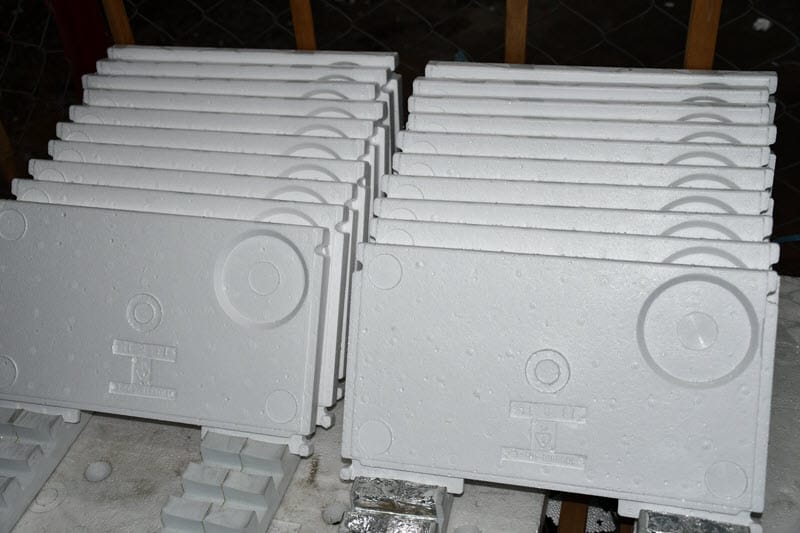
- Electronics and electrical appliance industry: It is essential for protecting fragile and sensitive goods, such as televisions, air conditioners, and other electronic equipment, from impacts during manufacturing, storage, and transportation.
- General industrial products, packaging: Any product that requires strong shock absorption and precise positioning within packaging to prevent damage.
Logistics and materials management.
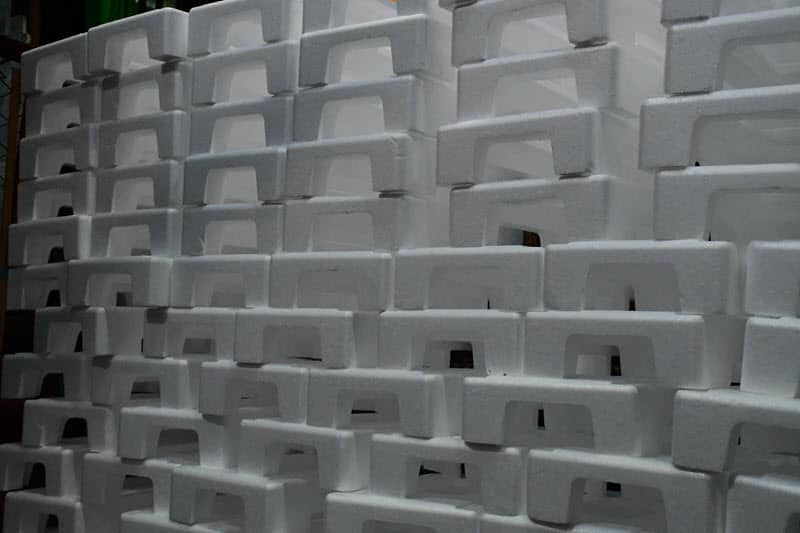
- Foam pallet (Polypallet): This is a specialized product offering a lightweight yet strong alternative to traditional wooden or plastic pallets. It's ideal for reducing transportation costs, especially in air transport, and also provides superior hygiene and safety.
Specific industrial components
- Air conditioner parts: Molded foam components act as effective insulation within air conditioners, which helps improve energy efficiency.
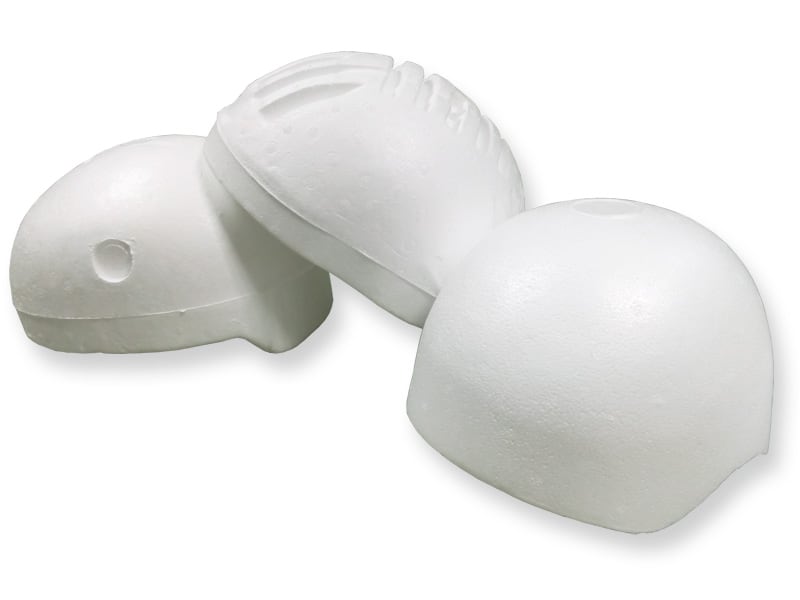
- helmet (e.g., motorcycle helmets): The superior impact-absorbing properties of the material make it extremely important for safety applications, such as helmet liners.
Post Views: 4,065