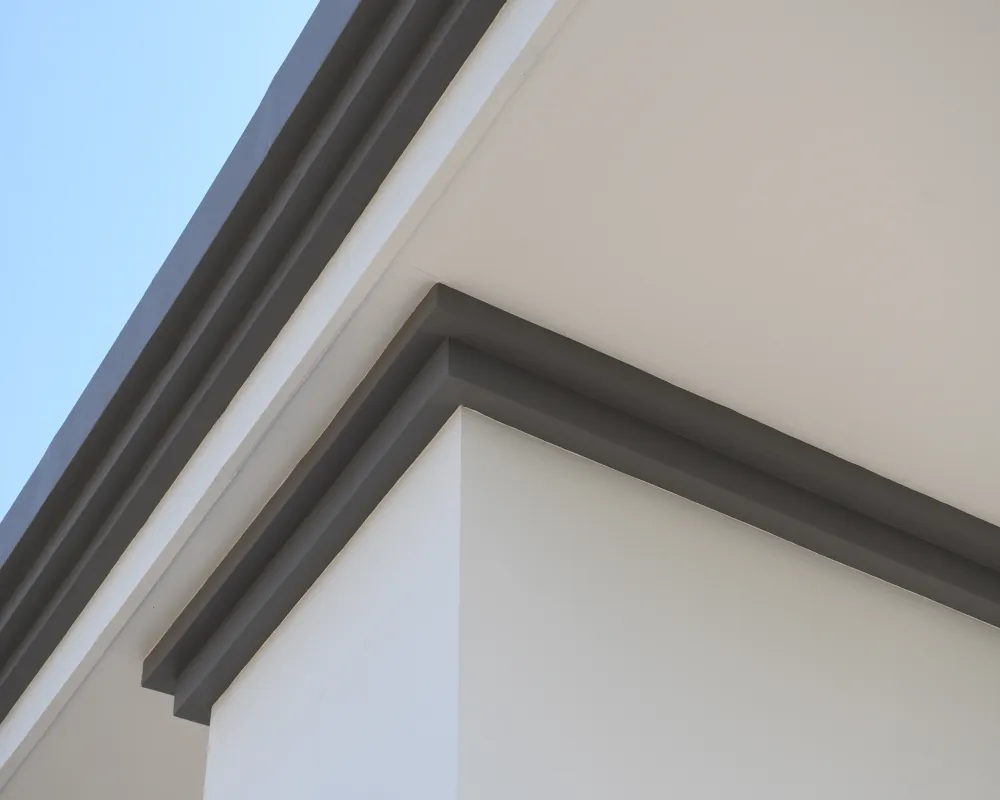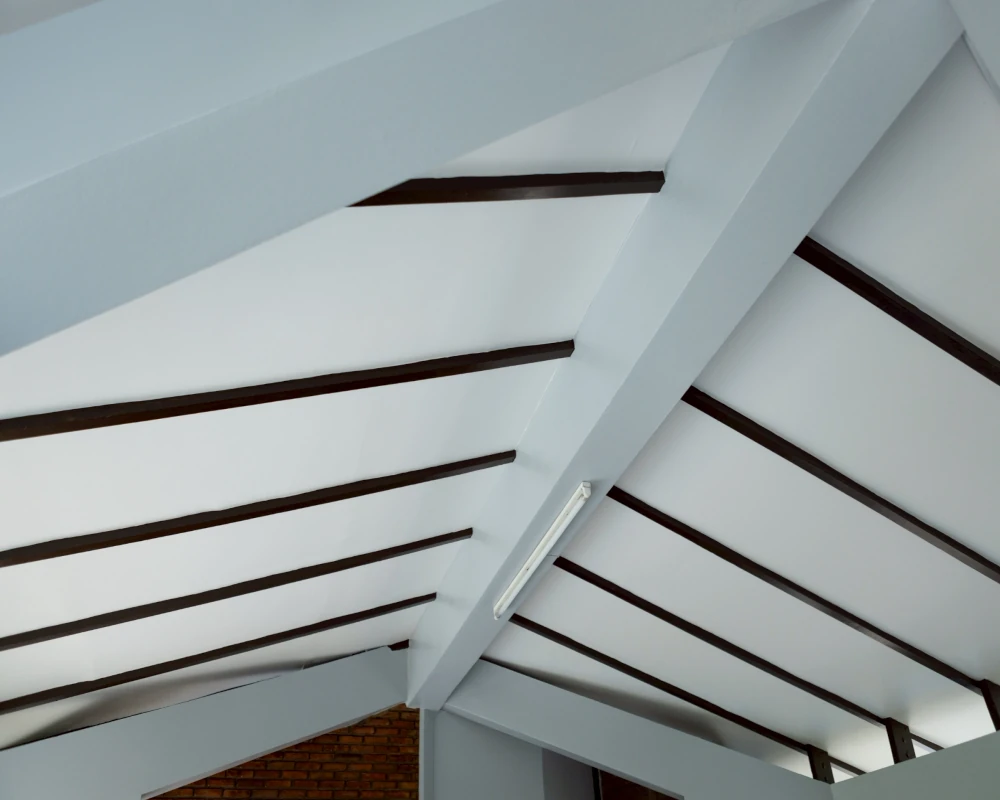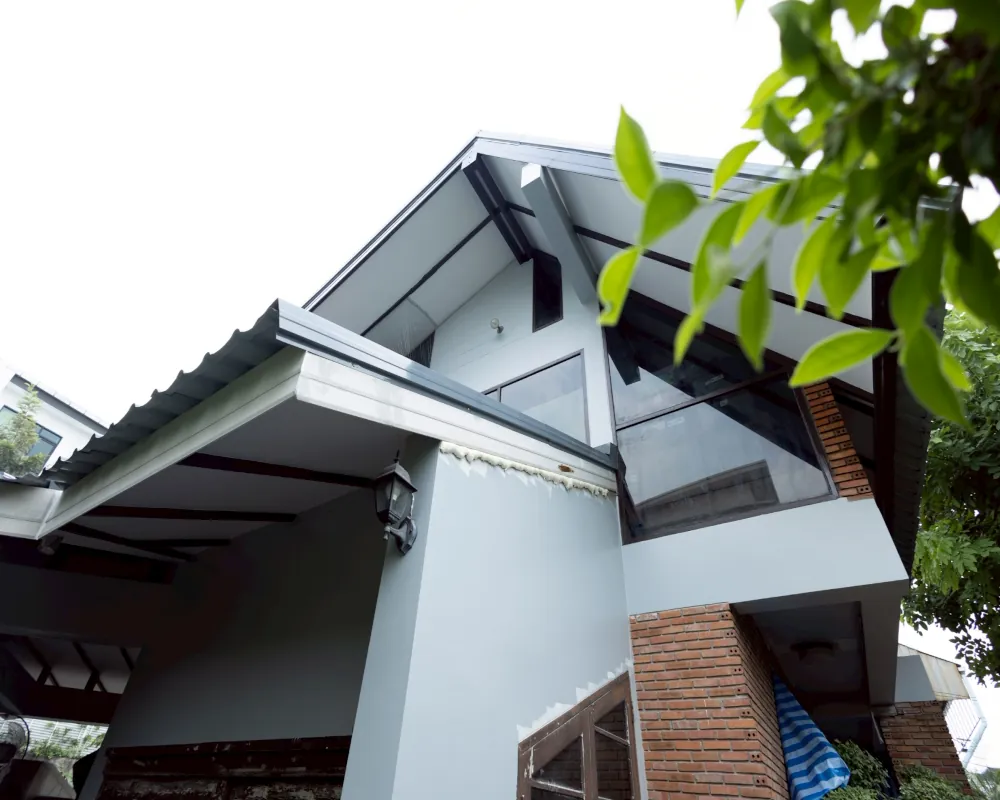
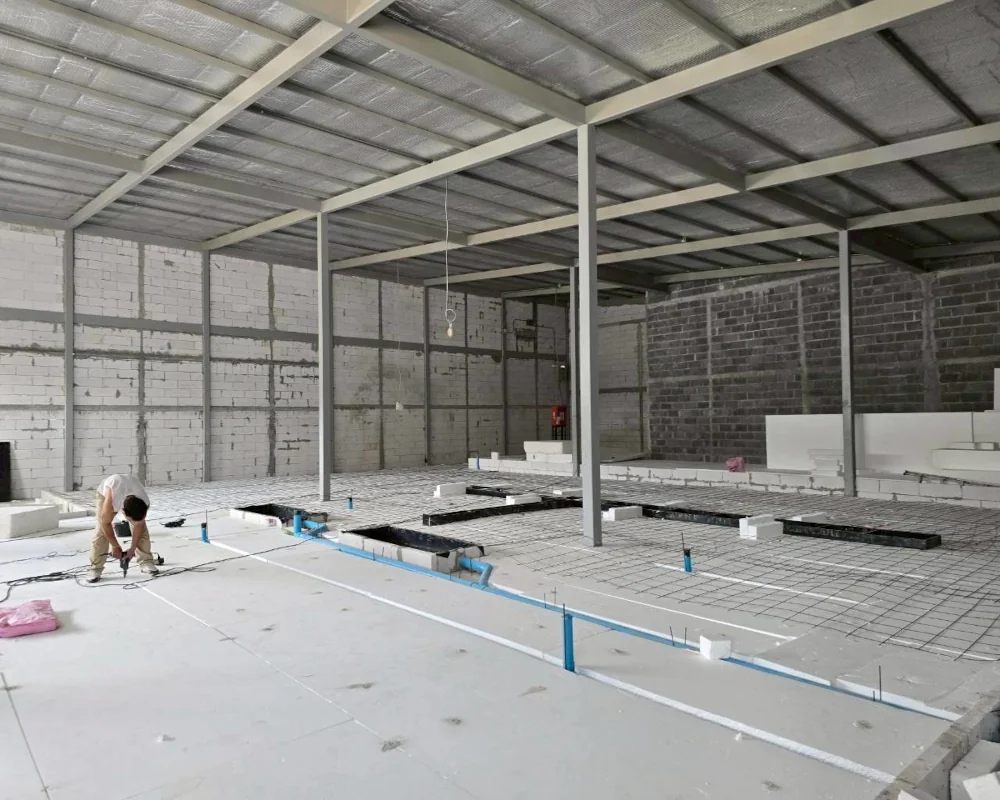
Construction foam: the thermal insulation solution for construction made from EPS foam. Foam insulation for walls, ceilings, roofs, decks, and floor leveling, compatible with other building materials.

Product catalog
The outstanding material engineering properties of Expanded Polystyrene Foam (EPS) lead to innovative foam solutions for construction.
EPS foam features a closed-cell structure comprising approximately 98% air and 2% polystyrene (PS) plastic. This structure effectively supports and distributes internal stress. Consequently, EPS foam is lightweight, dimensionally stable, easy to shape and cut, and provides excellent thermal insulation. EPS foam is thus widely applied in construction, ranging from building thermal insulation to innovative decorative architectural products.
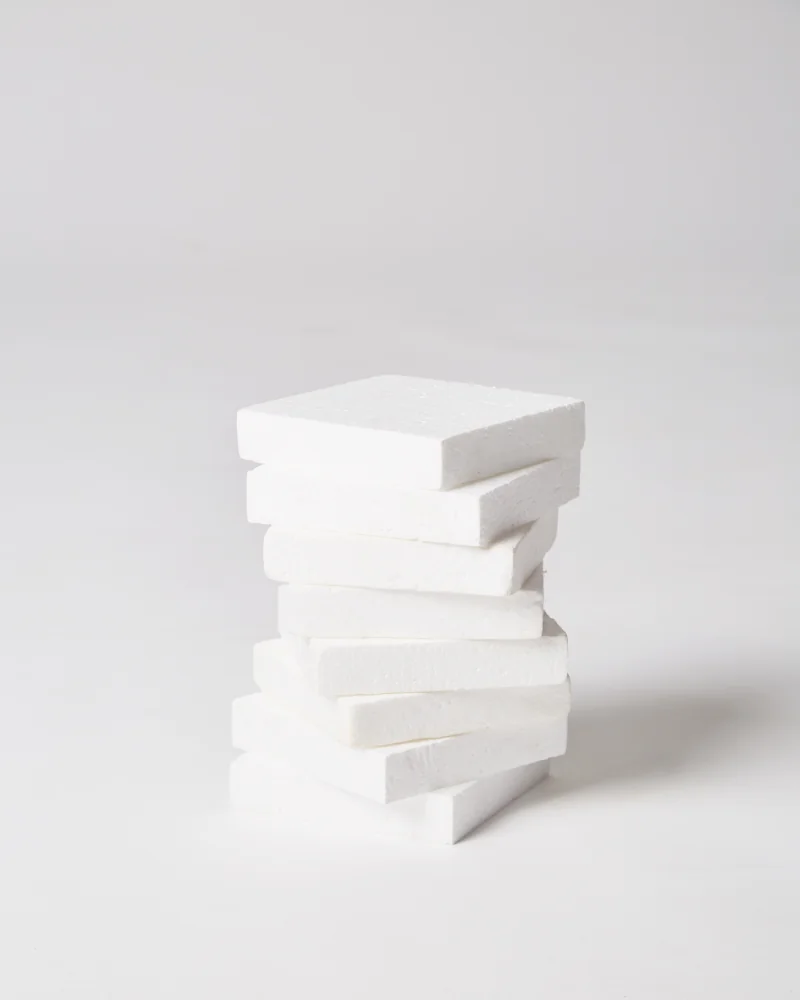
For safety in use, foam utilized in construction projects should specifically be Flame Retardant Grade (Flame Retardant Grade), commonly referred to as F-grade foam. It is formulated with flame retardants incorporated directly into the plastic raw material during the bead manufacturing stage. When ignited, the material shrinks and the flame retardant slows the spread of fire, self-extinguishing once the ignition source is removed or when the flame source is small. However, this type of foam is not classified as fireproof or refractory material.
In addition to flame retardancy, foam density is another key factor influencing material performance, such as compressive strength, load-bearing capacity, and long-term dimensional stability. Therefore, selecting construction foam requires choosing an appropriate density suitable for specific site conditions and product applications. Proper density is typically specified through engineering calculations by engineers or specialists to align with actual project requirements and varying construction contexts.
From the unique properties of EPS foam to sustainable development (Sustainable Building Material), because a structure's lifespan is often passed down across generations, we innovate EPS foam into advanced materials for building, architectural, and engineering applications. We communicate the story and information of EPS foam for construction through the Construction Foam and Civil Foam brands.


Brands
| Brand: Construction Foam | Brand: Civil Foam |
|---|---|
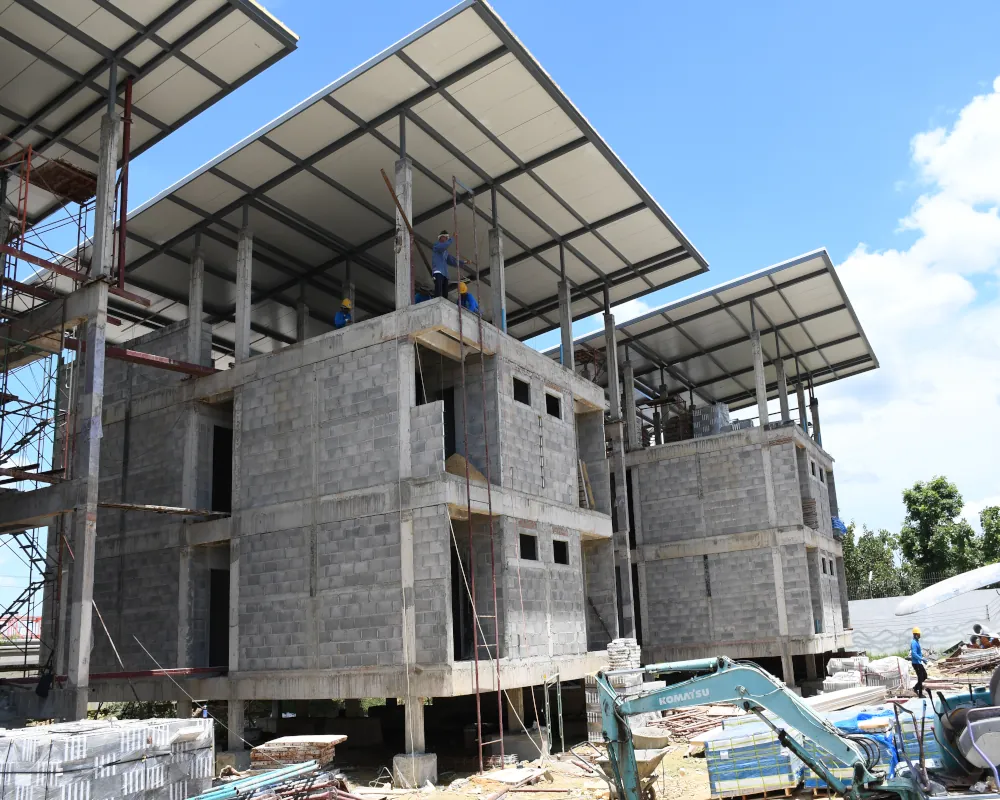
| Brand Identity: Presents EPS foam materials that are simple to understand and suitable for general construction sites. Communicates with contractors and homeowners through straightforward properties such as lightweight handling, easy installation, and compatibility with standard construction systems. | Brand Identity: Delivers technical data tested to international standards for engineers, architects, and designers, enabling professionals and users to properly integrate and apply material specifications to engineering and architectural construction. |
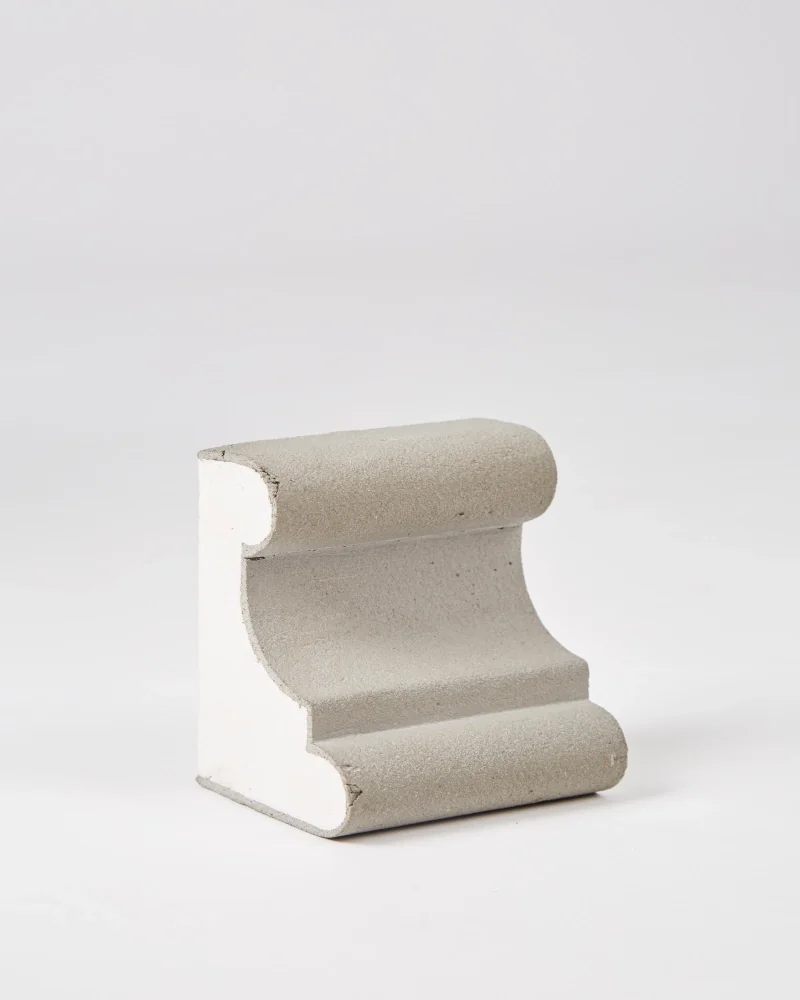
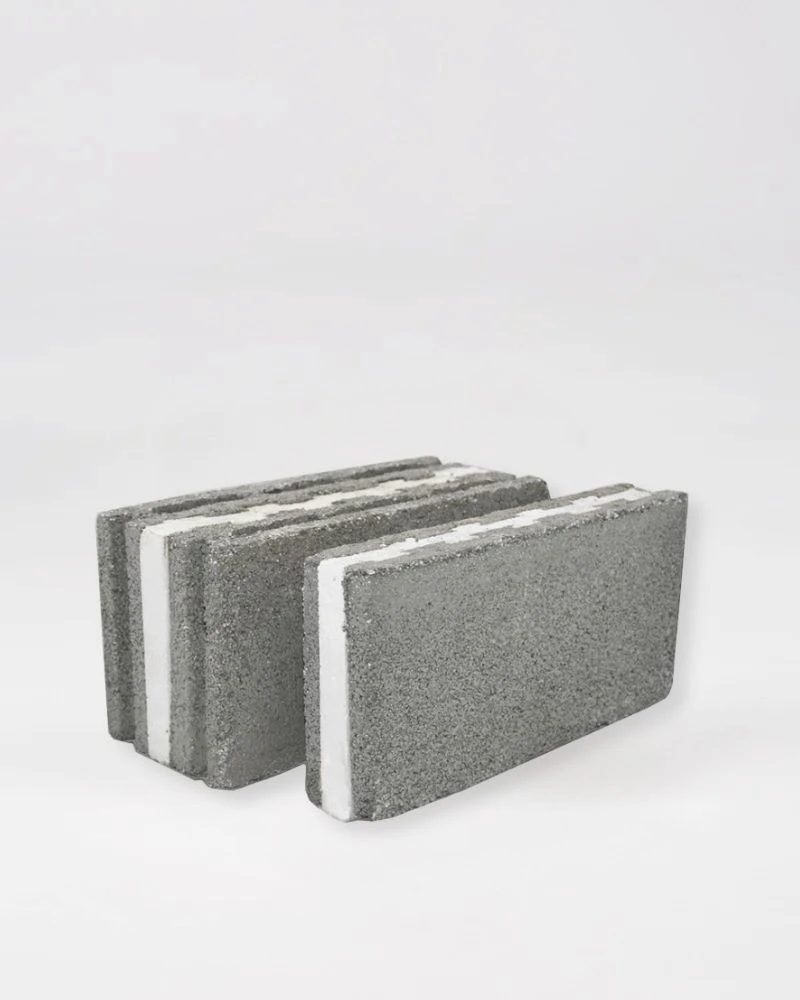
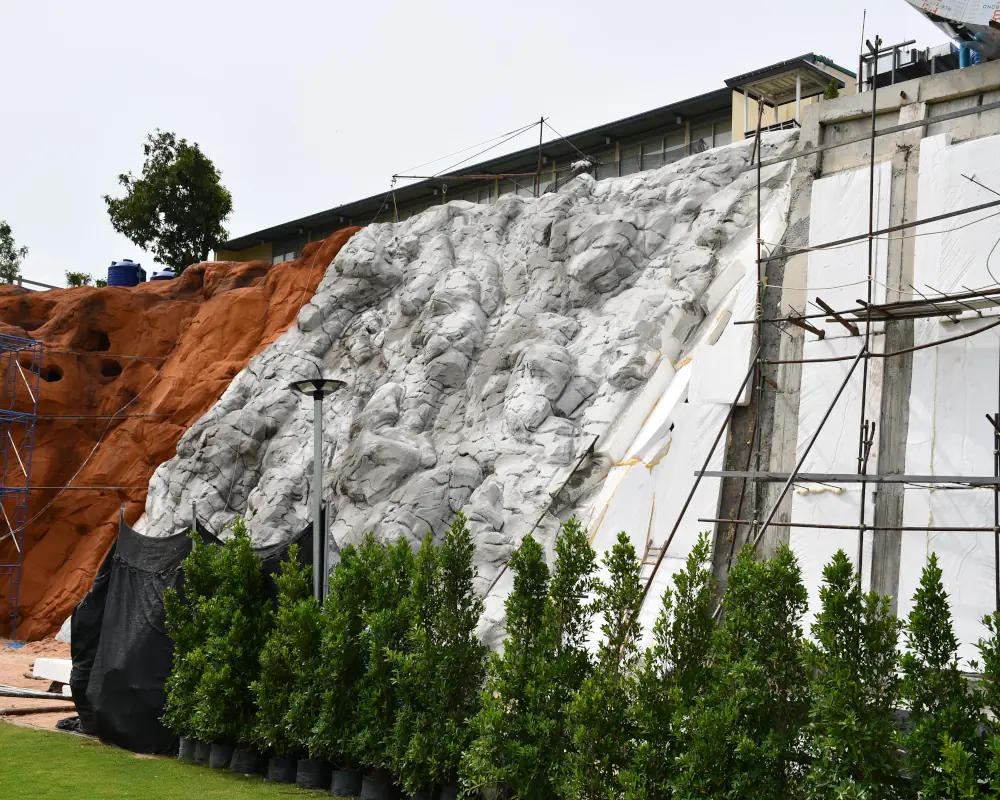
| Applications: Foam for floor leveling or used as thermal insulation panels for walls and ceilings. | Applications: Integrates construction foam with engineering or architectural designs, such as road and bridge abutment leveling (Geofoam), landscape architecture, or buoyancy applications for floating structures, as well as commercial branded products including Buafoam by Polyfoam (Buafoam) and Cool Block (Coolblock bricks). |
Features


FAQ
Construction foam is a thermal insulation material for construction made from EPS foam. It is used as insulation for walls, ceilings, roofs, and decks, as well as for floor leveling.
EPS foam features a closed-cell structure consisting of approximately 98% air and 2% Polystyrene plastic. This makes it lightweight, dimensionally stable, versatile to cut and shape, and an excellent thermal insulator.
A Flame Retardant Grade (F-grade foam) should be chosen, which contains flame-retardant additives formulated during the raw bead production stage. However, it is not classified as fireproof or fire-resistant material.
Density affects strength, load-bearing capacity, and long-term dimensional stability. The appropriate density is typically determined by engineering calculations performed by engineers or specialists.
Both are brands under polyfoam. Construction foam is used for floor leveling or as insulation panels for walls and ceilings, while Yotha Foam is used in civil engineering or architectural applications, such as road and bridge embankment leveling (Geofoam).
Construction Foam
Polyfoam Group
Our plastic industrial company focuses on producing high-quality EPS foam products to meet industrial customer demands, specializing in foam spheres, foam crates, thermal foamboxes, packaging foam, and protective foam for construction use. We also manufacture floor leveling foam and buoyant foam for construction, as well as foam cement, foam sheets, and large foam blocks—all produced by our quality factory at direct manufacturer prices. Customers can rely on our quality and service, and we are ready to provide expert consultations to meet all needs and answer every inquiry. Contact us today; our company is dedicated to satisfying every aspect of your business.